


For three years, Asociación Armonía’s Red-fronted Macaw Program has worked alongside local communities, authorities, and partner organizations to stop the illegal trade of the Red-fronted Macaw (Ara rubrogenys), a species endemic to Bolivia and listed as Critically Endangered. The following actions were carried out under the project “Reducing Poverty and Illegal Trade Utilizing Bolivia’s Charismatic Red-fronted Macaw”, funded by the UK Government through the Illegal Wildlife Trade Challenge Fund (IWT).
“Fighting the illegal trade of the Red-fronted Macaw is essential because it remains one of the main threats to the species. If we want to protect it and ensure that its populations persist in the wild, we must address this issue head-on. Combating illegal trade is not only the right thing to do—it is indispensable to prevent this species from continuing its path toward extinction,” stated Romeo Rojas, Assistant Director of Conservation Programs at Asociación Armonía.
These ten milestones reflect community-based conservation efforts in the Caine River region (Toro Toro, Potosí). By listening to local concerns and working together, we’ve developed solutions to the conflict between people and macaws. Below are the ten most important milestones of this collective effort:
- Elimination of Wildlife Trafficking Among Beneficiary Families
While progress has been made, illegal trade still exists. The loss of natural habitat forces the macaws to feed on crops like peanuts and corn, which leads some farmers to capture or kill them to protect their harvests. To prevent this, we work with producers to promote macaw-friendly agricultural practices and encourage alternative livelihoods that reduce conflict with the species.
The 110 families participating in the project have adopted sustainable livelihoods such as beekeeping, ecological agriculture, and community-based tourism. These changes have significantly reduced pressure on the Red-fronted Macaw and strengthened local commitment to its conservation. Additionally, 29 non-beneficiary families voluntarily joined the efforts, amplifying the project’s impact.
- “We Want Them Free” Campaign Reached Over 2.2 Million People

The campaign was launched in the cities of Sucre, Cochabamba, La Paz, and Santa Cruz. It featured a contemporary dance performance portraying the life of a Red-fronted Macaw in captivity, and included the presentation of the book Cautivos by nature photographers Daniel Alarcón (Spain) and David Grunbaum (Bolivia). Awareness messages were also disseminated through multiple channels: TV spots, radio segments in Quechua and Spanish, social media, a mini-documentary series, and public events—all aiming to raise awareness on the urgent need to conserve this iconic species.
- Creation of Two Birdwatching Trails to See Macaws in the Wild

In the communities of Julo Grande and Matanseria, two birding trails were developed, complete with scenic lookouts, signage, and basic infrastructure to observe macaws in their natural habitat. A sculpture of the Red-fronted Macaw was also inaugurated in Julo Grande, measuring 2.80 meters long and 1.50 meters high. Since December 2023, these routes have been receiving visitors and generating income for communities formerly impacted by illegal trafficking.
- First Beekeeping Association Founded in the Department of Potosí
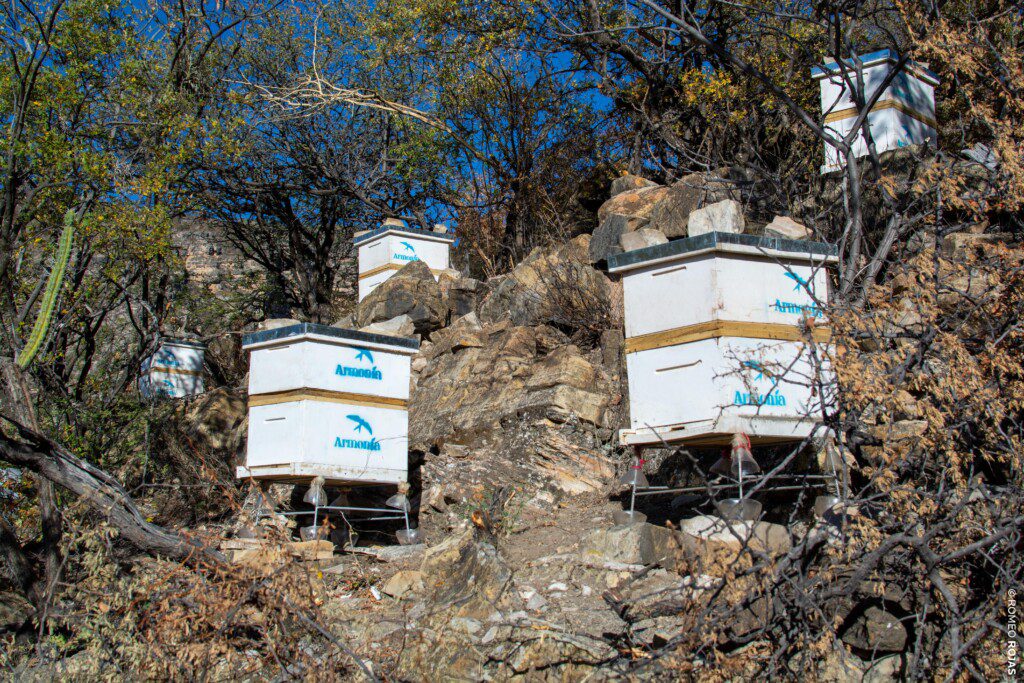
Over 60 beekeepers from Toro Toro created the first beekeeping association in the department, promoting a sustainable economy that supports biodiversity and opens new economic opportunities.
- Park Rangers Trained and Equipped for Species Monitoring

Eight rangers from the Torotoro National Park were trained to record data on the Red-fronted Macaw using mobile technology (KoboToolbox App). As a result, the first species monitoring report for the area was produced.
- Implementation of Ecological Agriculture and Biological Pest Control
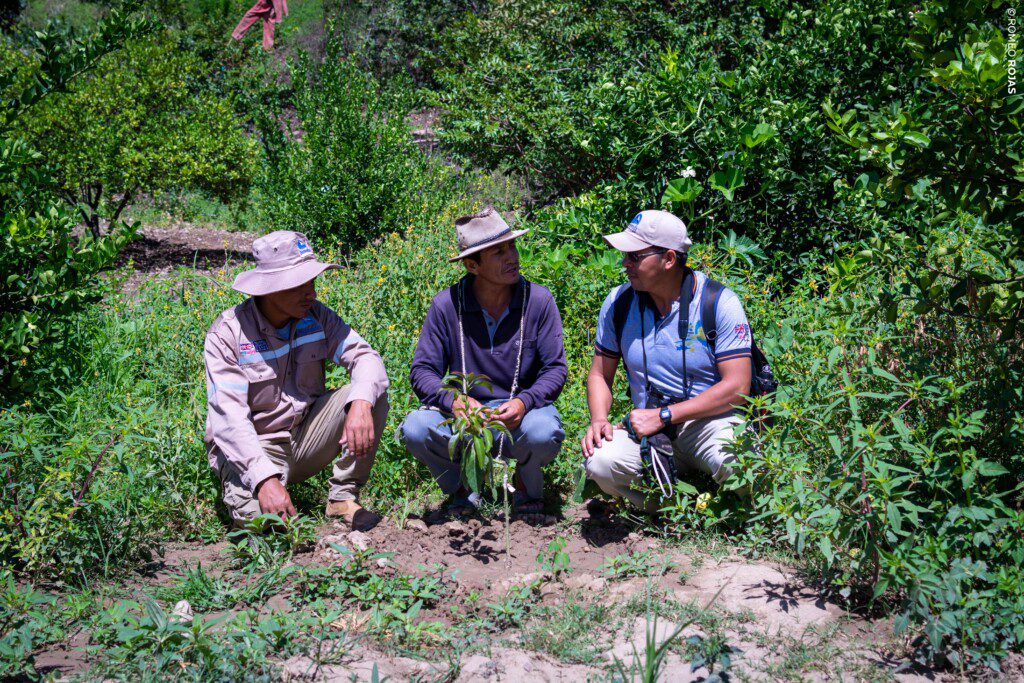
Eighty families implemented agroforestry plots and biological pest control methods, improving production without chemicals. They also applied non-lethal techniques to deter macaws without harming them. These practices transformed a long-standing conflict into respectful coexistence, strengthening both local food security and ecosystem health.
- More Than 2,000 People Reached Through Environmental Education
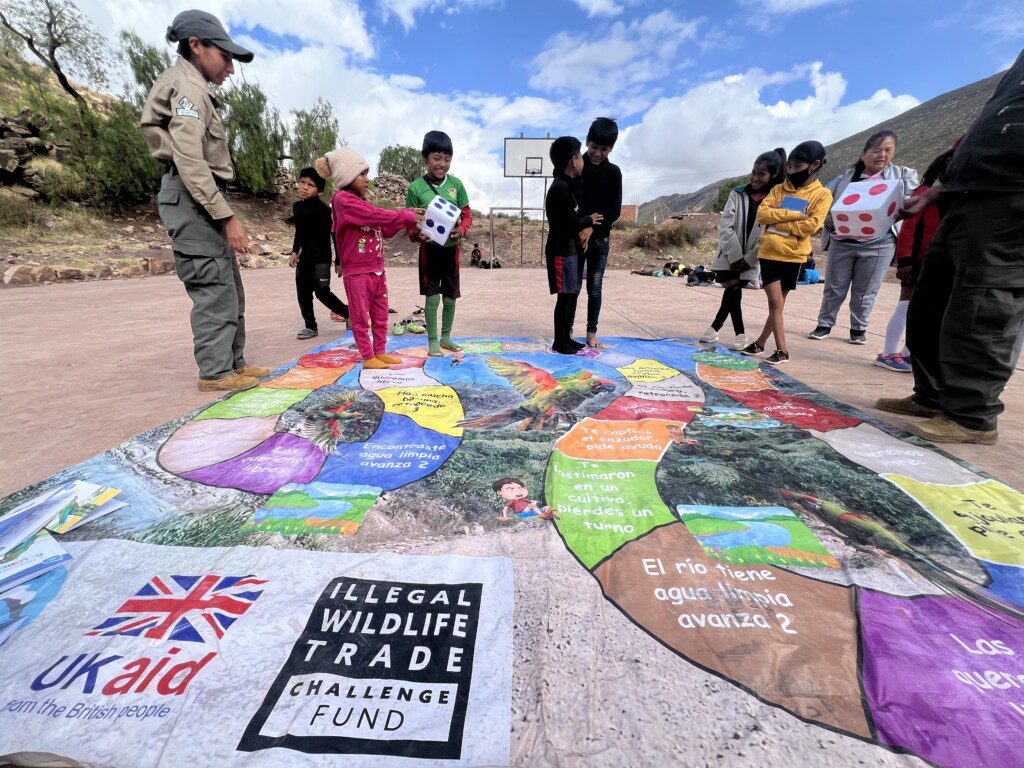
From children to adults, community members participated in workshops and interactive activities to understand why protecting the Red-fronted Macaw is vital. The project exceeded its original outreach goal of 755 people—reaching 1,858 students and 189 adults, who are now allies in conservation within their communities.
- Youth Leaders Form the First Anti-Trafficking Committee
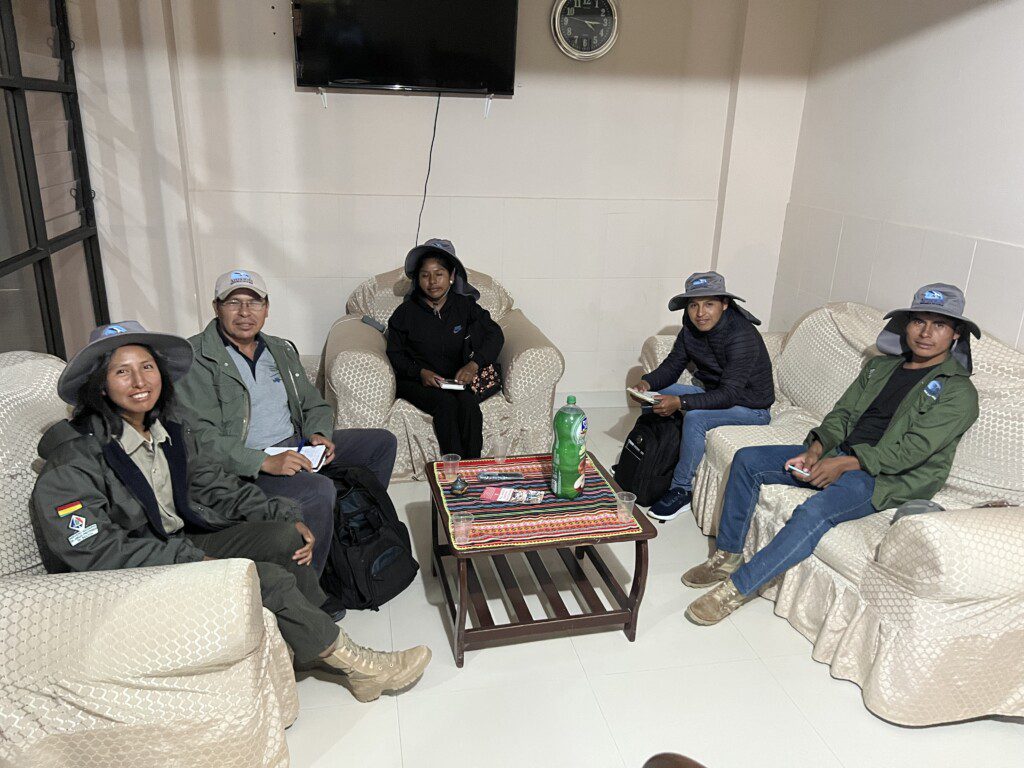
Seven young leaders—both women and men—from different communities formed the Illegal Wildlife Trade Prevention Committee in Toro Toro, taking the lead in raising awareness and promoting enforcement.
- Local Guides Trained in Birdwatching Tourism
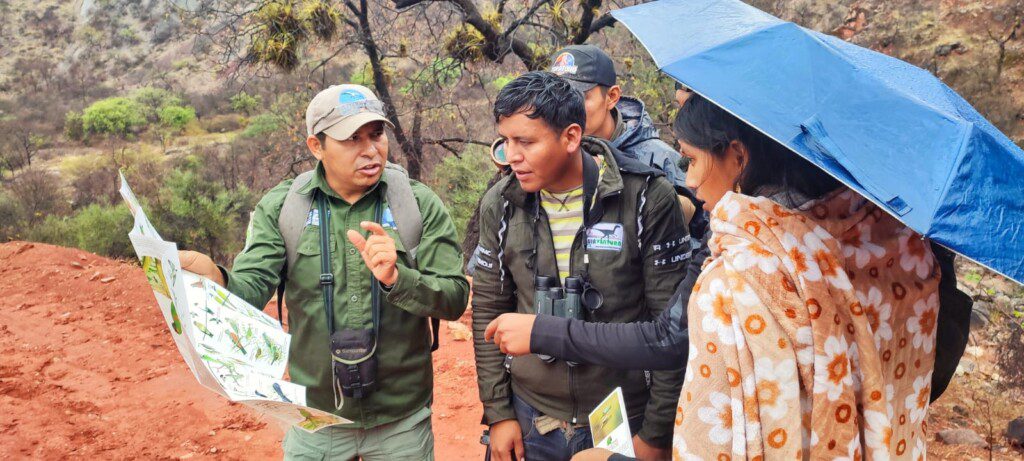
Fifty-nine people, including the eight park rangers, were trained as birdwatching guides. They received binoculars and bird field guides to help interpret and share the wonders of the Caine River skies, home to the free-flying Red-fronted Macaw.
- A Promising Growth in Community-Based Birding Tourism
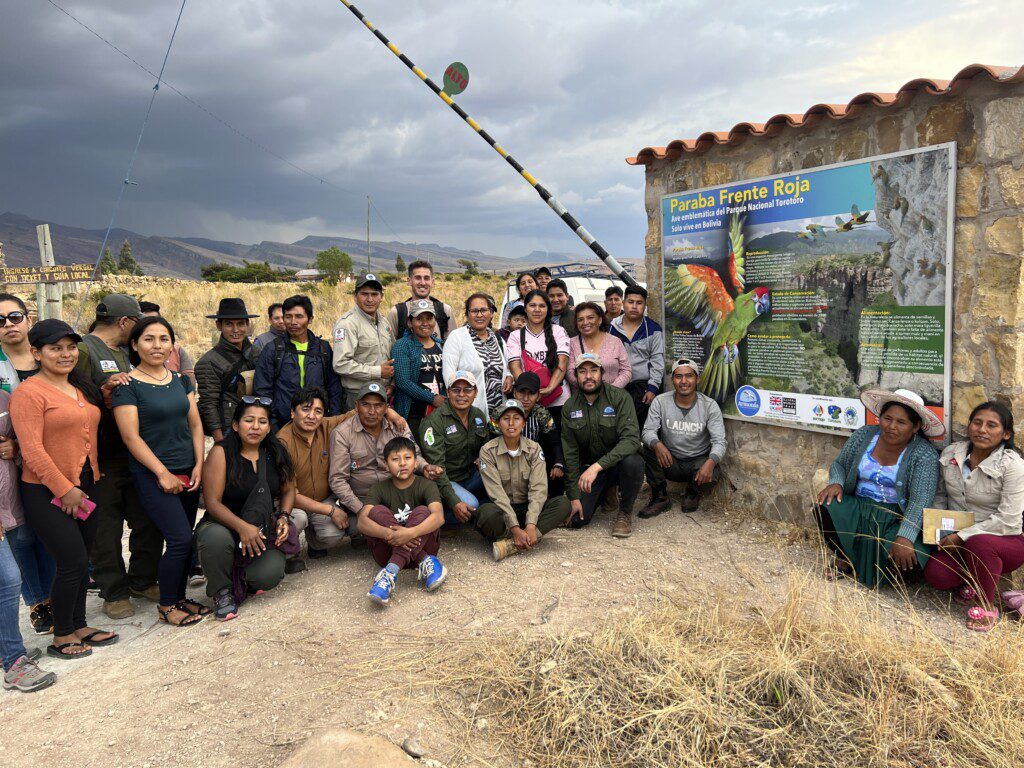
Thanks to the development of bird tourism, Torotoro National Park’s revenue increased by 5%. This initiative is becoming a sustainable source of income for local communities, who now see ecotourism as a viable and long-term path to development and conservation.