
The landscapes of Isiboro-Sécure and the western Mamoré River will be the stage for the program Nature’s Heartbeat, an initiative that, over the next four years, will seek to strengthen local organizations and Indigenous communities as protagonists in the protection of two of the most important areas for biodiversity in Bolivia. This effort does not start from scratch: it is framed within the consolidation of the national network of Key Biodiversity Areas (KBAs), a process that in recent years has identified 97 strategic sites to safeguard ecosystems and threatened species in the country. With this new momentum, the goal is to move from the technical recognition of these territories to active and sustained management from within the territory itself.
“This program marks a turning point because it allows us to continue the work that Bolivia began with the identification and updating of the Key Biodiversity Areas (KBAs) in the country. The initiative represents a fundamental strategic step to ensure continuity and consolidate Bolivia’s KBA network, sites of special importance to guarantee the survival of ecosystems and the most vulnerable species at the national level,” stated Diego Peñaranda, Coordinator of the Nature’s Heartbeat Program in Bolivia.
After a process of updating and identifying KBA sites in Bolivia between 2022 and 2024, and thanks to the support of more than 25 institutions including universities, museums, NGOs, foundations, and independent researchers, Bolivia currently has 97 KBA sites vital for safeguarding its natural and cultural heritage. Beginning by strengthening the true actors of conservation at the landscape scale in two of these 97 sites is an unprecedented milestone in Bolivia, with the aim of expanding to more sites in the coming years.
The program is a joint effort between the National Committee of IUCN Netherlands, Armonía Bolivia, A Rocha Ghana, the Ecotrust Environmental Conservation Fund of Uganda, and the Non-Timber Forest Products Exchange Program (NTFP-EP) in Indonesia and the Philippines, and is funded by the Dutch Postcode Lottery.
Its fundamental objectives are to channel support, capacities, and resources to the true agents of biodiversity conservation, so that they can create opportunities to improve their livelihoods while at the same time protecting their territory and ecosystems; and to promote a new paradigm of systemic change in the way funds for biodiversity conservation are channeled and executed.
To achieve this, the program is developed under the Trust-Based Funding approach, which proposes granting flexible financial resources adapted to the needs and priorities of local actors, while strengthening bonds of commitment, fulfillment of results, and the achievement of tangible conservation outcomes. This program will initially be carried out over four years in prioritized KBA landscapes in the five participating countries; however, it aims to consolidate itself as a long-term program, scaling up to more actors and other KBAs of special relevance.

Implementation in Bolivia
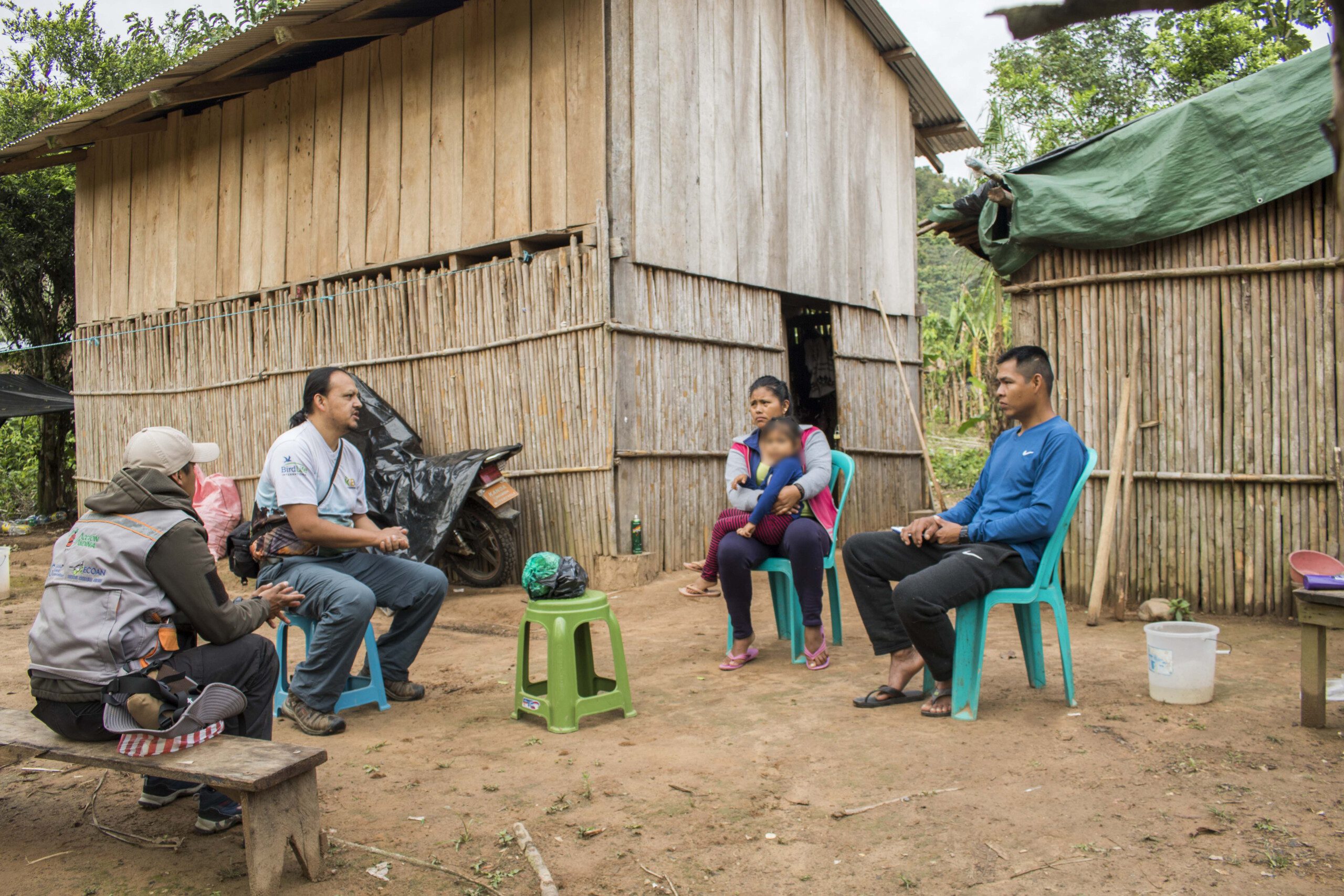
In the Bolivian context, the program Nature’s Heartbeat will prioritize the participation of local communities, Indigenous peoples, and established organizations in both landscapes that inhabit the territories, as well as the evaluation of species, biodiversity, and environmental threats present in each site. Local conservation organizations play an indispensable role in defining strategies and actions within the KBAs.
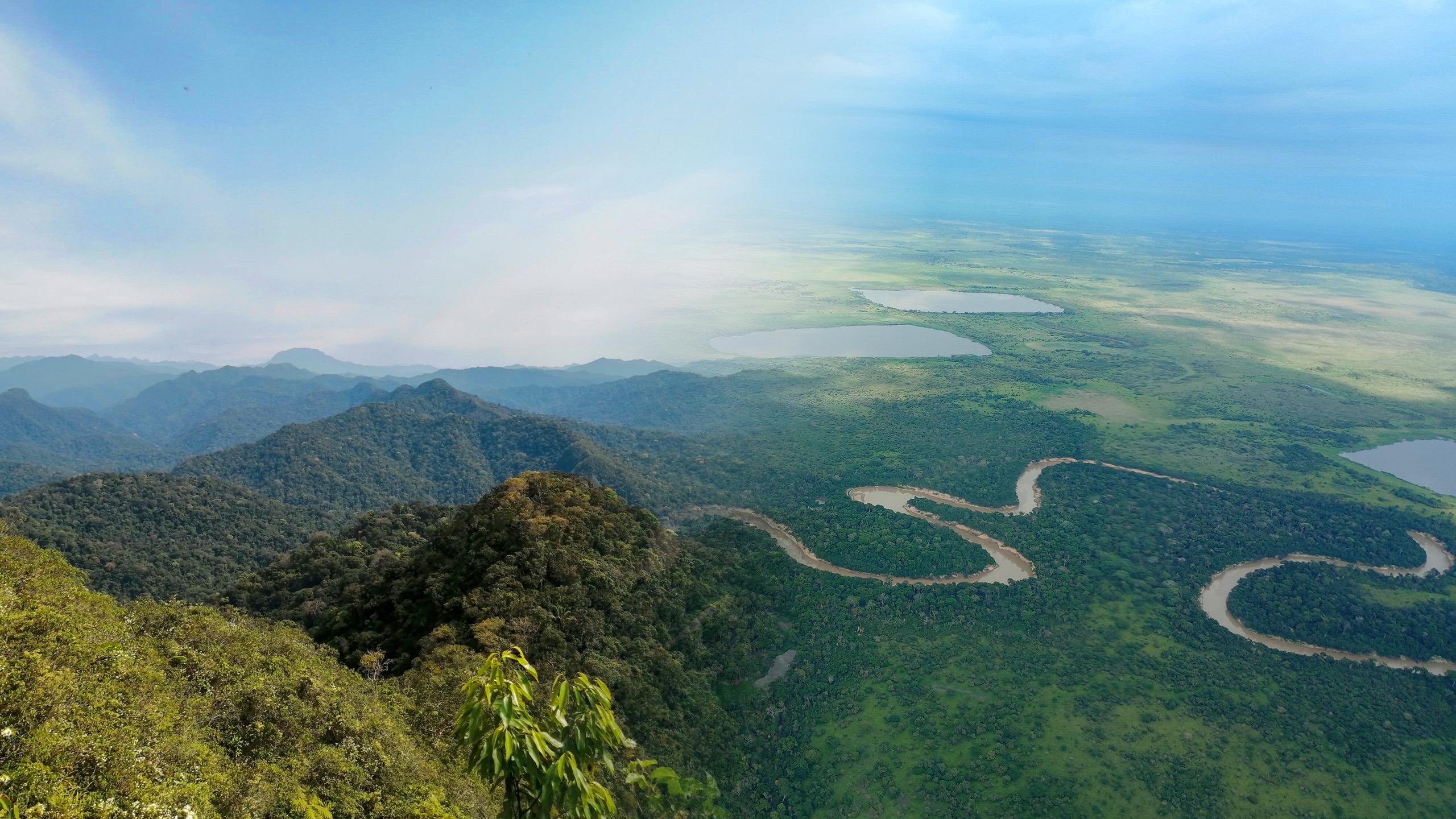
The Isiboro-Sécure landscape is one of Bolivia’s key KBAs. Located between the departments of Cochabamba and Beni, this territory combines sub-Andean and Amazonian forests, humid forests, and floodable savannas, forming a mosaic of habitats rich in biodiversity with rainfall in some parts exceeding 5,000 mm annually. It is home to emblematic species such as the Horned Curassow (Pauxi unicornis) and harbors populations of several threatened mammals and reptiles. It is also under the management of Bolivia’s National Service of Protected Areas, which enables integrated management of the site.
The western Mamoré landscape comprises diverse habitats—savanna, wooded savanna, forest islands, gallery forests, and wetlands—with a hydrological cycle marked by eight months of flooding followed by four months of extreme drought. The area is a refuge for around 320 bird species, including several macaws such as the Blue-throated Macaw (Ara glaucogularis) and various migratory birds that use it as a feeding and resting area. The region also harbors fauna of conservation interest such as the giant otter (Pteronura brasiliensis) and the lowland tapir (Tapirus terrestris).
Western Mamoré River Landscape
The Western Mamoré River KBA is a site of significant importance for biodiversity, located in the Amazonian floodplain of southwestern Beni, in central Bolivia. Covering 14,871 km², it harbors internationally relevant populations of globally threatened species, including the critically endangered and endemic Blue-throated Macaw (Ara glaucogularis) and several other threatened bird species, among them the recently recorded Dwarf Tinamou (Taoniscus nanus), previously known only from Brazil, and at least one seedeater species to be described in 2026.
This site also hosts at least 18 species of migratory shorebirds each year and maintains populations of other species of conservation interest, such as the Amazon river dolphin (Inia geoffrensis), the giant otter (Pteronura brasiliensis), and the jaguar (Panthera onca). The area comprises a diversity of wetlands, seasonally flooded savannas, forest islands, and gallery forests associated with the Mamoré River system. Among anthropogenic threats, large-scale agriculture, mainly soy, could generate extensive modifications of the landscape within this KBA, affecting not only the integrity of the environment but also the species of conservation interest that inhabit it. Other pressures include unsustainable hunting, unregulated cattle ranching, and habitat fragmentation associated with the expansion of human settlements. At the same time, traditional cattle ranching, agriculture, and fishing practiced by Indigenous communities are part of the landscape, contributing key sociocultural dimensions to conservation planning.
Isiboro-Sécure Landscape
This KBA corresponds to the Isiboro-Sécure Indigenous Territory and National Park (TIPNIS). Located on the northern border of Cochabamba and the southern border of Beni, it extends over 13,000 km² and encompasses montane Amazonian forests, cloud forests in the Andean foothills, as well as extensive lowland tropical forests and wetlands shaped by the Isiboro and Sécure rivers.
It qualifies as a global KBA for harboring important populations of the critically endangered Horned Curassow (Pauxi unicornis), an endemic species with restricted distribution and of high conservation concern. The site also protects significant populations of other globally or nationally threatened taxa, including the marsh deer (Blastocerus dichotomus), the giant otter (Pteronura brasiliensis), the Amazonian tapir (Tapirus terrestris), the white-lipped peccary (Tayassu pecari), the Amazon river dolphin (Inia geoffrensis), and river turtles such as Podocnemis expansa and Podocnemis unifilis.
However, despite its official status as a National Park, it faces persistent threats such as the expansion of small-scale agriculture, road construction and associated fragmentation, the advance of human settlements, and pressures from infrastructure projects. This site also possesses profound sociocultural value, as it is inhabited and managed by the Yuracaré, Mojeño-Trinitario, and Tsimane Indigenous peoples, whose ways of life and cultural traditions are closely linked to the forest and rivers.